
Australian scientists from the University of New South Wales believe that the transient ischemic attack, commonly known as a mini-stroke, can reduce life expectancy by 20%
Scientists selected 22 157 patients who were hospitalized for transient ischemic attack (TIA) in the period from July 2000 to June 2007 in New South Wales, and analyzed their medical records for at least two years, according to Sompulenta.ru . Then collected information on reported deaths in the area until June 2009 and the mortality of subjects and the general population. The average age of female patients was 78 years old, male - 73 years.
A year after hospitalization good health 91.5% underwent a mini-stroke; rest of the population survival was 95%. Five years survival of patients with TIA was 13.2% lower than expected (still alive at 67.2%), and survival in the general population was equal to 77.4%. By the end of the study, that is, nine years later, the survival rate of TIA member by 20% short of expectations.
The older the patients were, the more they risked dying: a mini-stroke had a minimal effect in patients younger than 50 years, but considerably shortened life expectancy those who were older than 65. Compared with those who have not reached fifty, the relative risk of death in patients 75-84 years old was 7.77 times higher than in, and the age group older than 85 - to 11.02 per cent.
According to researchers, who have a history of TIA may improve your chances for longevity, if they gain a healthy lifestyle habits, including daily physical exercise, maintaining normal weight, healthy diet and not smoking.
Transient ischemic attack - acute violation occurs cerebral hemodynamics, manifested primarily focal neurological symptoms. People, who have had a mini-stroke, do not die from it, but are more at risk of early stroke and other health problems, which obviously reduces the duration of life.
Mini-stroke reduces life by 20% - scientists
Nov 19, 2011
Labels:
life,
mini-stroke,
scientists
0
comments

Watermelon juice protects against atherosclerosis - scientists
Nov 2, 2011
A recent study of the properties of water-melon, conducted by American scientists has shown. It contained a substance can reduce the risk of atherosclerosis
University of Kentucky researchers conducted an experiment on mice in which the animals were put on a special diet with high cholesterol, reports Med daily.Ru. The mice were divided into two groups: the first was given to drink watermelon juice, and the second - plain water.
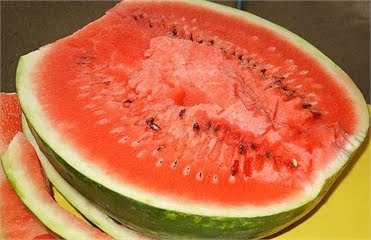
After eight weeks, spent weighing. It was found that mice drank the juice of watermelon weighed less than those who drank the water, by reducing fat mass. At the same muscle mass, they have not decreased, and plasma concentration of cholesterol was significantly lower. The survey also vessels of rodents showed that atherosclerosis lesions, they also were much lower than in the control group.
Atherosclerosis - a chronic disease characterized by compaction and loss of elasticity of the arteries, followed by circulatory disturbance of bodies.
Labels:
atherosclerosis,
experiment,
scientists,
watermelons
0
comments
Scientists: Saffron help in the fight against cancer
Sep 14, 2011
As reported by the BBC B , the healing properties of turmeric has been known for centuries that confirm the medical records of the ancient Egyptian physicians. British research team used the plant for a new drug that begins to work in the body just under the influence of a chemical released by cancer.

In laboratory studies of mice cured half of the animals from the disease after treatment a new medium. Scientists plan to conduct clinical trials of new drugs for two years.
They also emphasize that the drug has no side effects on healthy tissues.
Labels:
medicine,
oncology,
saffron,
scientists
0
comments